News & Insights
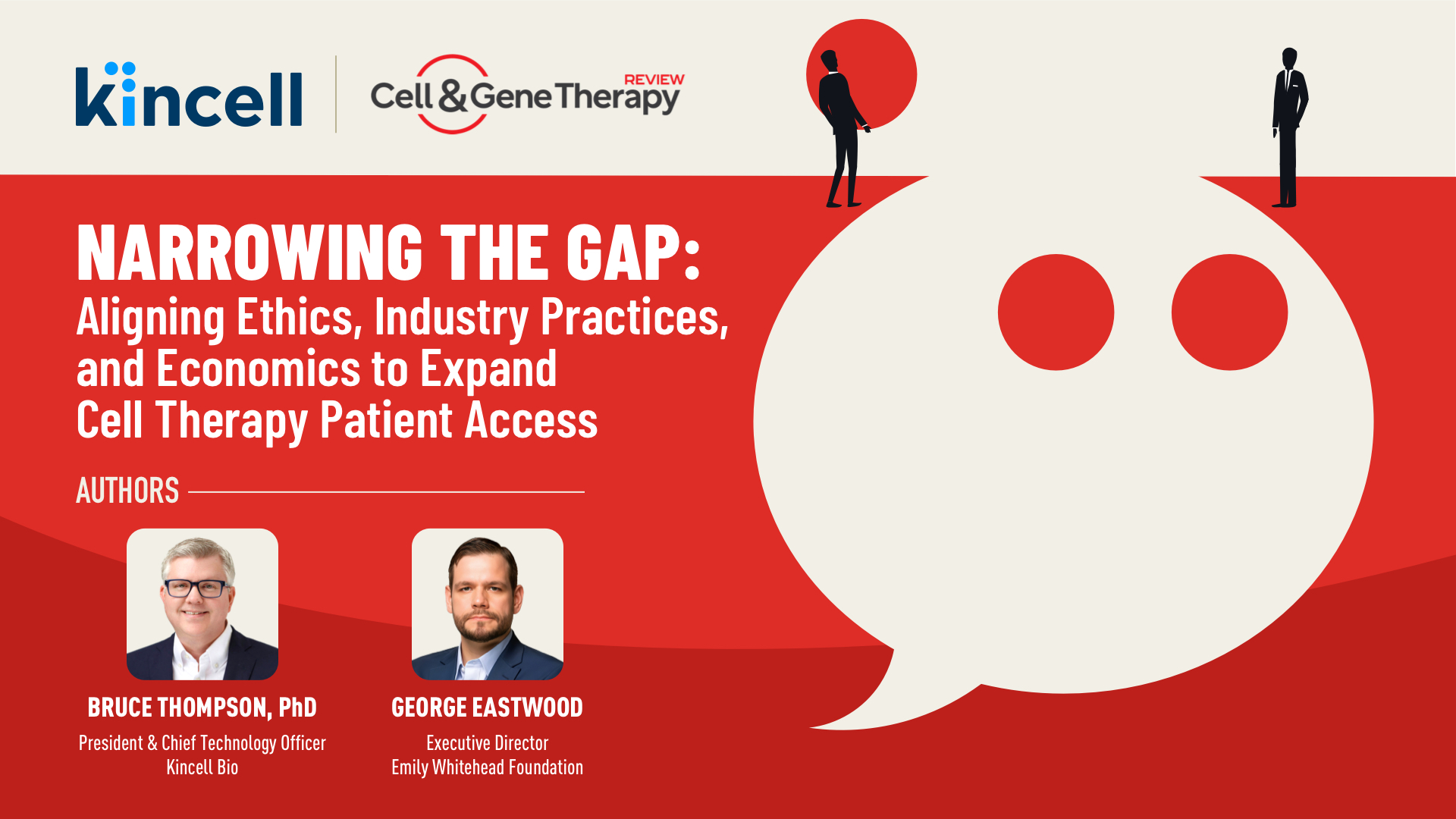
Cell therapies hold curative potential, yet far too many patients still can’t access them. In many cases, these treatments aren’t pursued by developers because science is advancing faster than the systems that support it — from reimbursement policies and clinical research infrastructure to manufacturing costs and traditional pharmaceutical business models.
Rare and ultra-rare conditions underscore the urgent need to develop new therapeutic constructs. More than 10,000 rare diseases have been identified; 80% of these conditions are genetic, and only 5% of them have FDA-approved treatments to address them. In short, there are approximately 7,500 identified rare diseases, with patients awaiting solutions from the cell therapy community.
This gap highlights a significant opportunity: to expand the promise of cell therapy beyond its current narrow indications deeper into the rare disease space, and to eventually tackle widespread conditions such as diabetes and neurological disorders. Realizing the promise of cell therapy will require rethinking how we fund research, design reimbursement models, and scale manufacturing to make these therapies viable for smaller patient populations.
To dive deeper into these insights and perspectives, read the full article here.